Safety reviewed feeding, soothing, and toddler transition essentials Review product standards
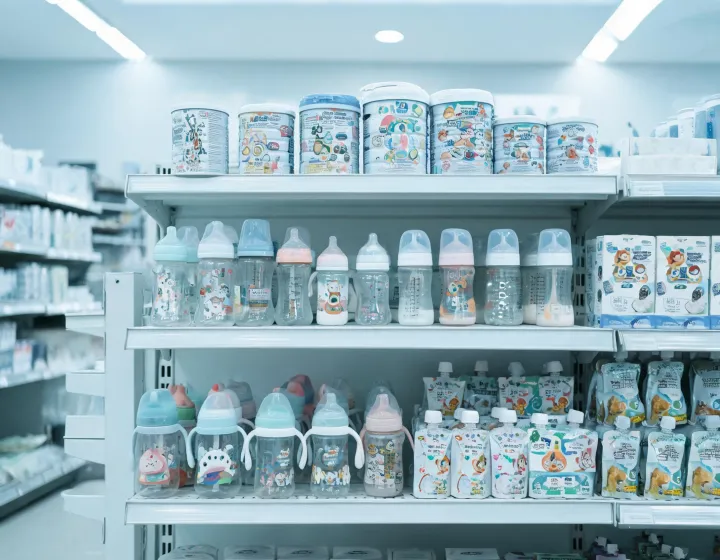
Unclear product shelf comparison Before: label overload
Sustainability

Philips Avent safety standards explained for feeding and care products

Safety claims can become difficult to compare when caregivers see age marks, BPA-free language, cleaning icons, silicone references, and certification acronyms in the same aisle. This page turns those signals into a plain decision framework for bottles, pacifiers, warmers, cups, and care accessories.

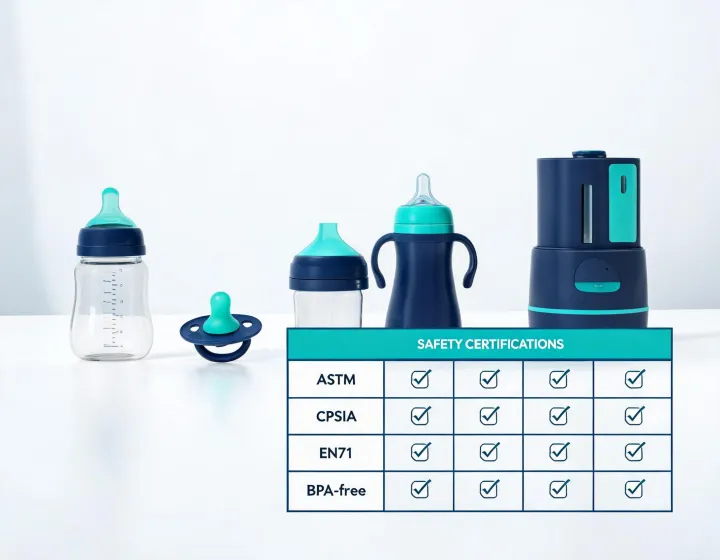
Clear safety standard product table After: review path
Interactive calculator layout

A standards review starts with product contact and child stage

The original layout calls for a calculator-style decision area, so this safety version uses the same structure to help caregivers and retail teams think through exposure, handling, and age fit. It is not a medical claim or a substitute for product labeling. It is a practical review flow that asks what touches milk or a child's mouth, how the part is cleaned, how the product is assembled, and which age range is marked for use.

For bottles, the review begins with the feeding contact path: bottle body, nipple, collar, cap, and any warmer or sterilizer accessory involved in preparation. For pacifiers and teethers, it shifts to oral contact material, shield ventilation, size grade, replacement routine, and storage hygiene. For cups, the review adds grip style, spout or straw format, spill control, and toddler cleaning visibility. The point is to make the safety conversation specific, not louder.
Standards to check

SignalWhy it mattersCare question
BPA-freeUsed for feeding contact material communication.Which parts touch milk or the child's mouth?
CPSIASupports children's product compliance review in the United States.Is the product age-marked and traceable?
EN71Relevant for toy safety expectations where play or teething behavior overlaps.Could the item be mouthed or handled as a play object?
Age gradingConnects size, flow, shield, or cup format to child development stage.Has the child moved into a new feeding or soothing behavior?
Case studies

Safety language applied to ordinary care decisions

Switching to glass bottles

A parent considering Philips Avent natural glass bottles may be thinking about material preference, heat handling, cleaning, and travel weight. The review separates bottle body material from nipple flow and warmer compatibility so the family does not solve one concern by creating another.

Choosing a pacifier age range

A Soothie pacifier conversation should not stop at shape recognition. Age marking, shield comfort, air flow, storage, and replacement timing all affect whether the product fits the care routine and the child's current soothing behavior.

Introducing a toddler cup

When a child begins cup practice, safety language includes grip control, cleaning visibility, spout feel, and spill management. A standards-led approach helps caregivers understand why cup transition is developmental, not just a change in packaging.

Request a standards review

Send the product type and child stage you need to evaluate.

We will help identify the relevant contact points, care method, age mark, and comparison questions before you select or recommend a Philips Avent product group.