Safety reviewed feeding, soothing, and toddler transition essentials Review product standards
Care support services

Philips Avent stage guidance for feeding, soothing, and cup transition

Families and retail partners often know the product name before they know the right stage. This page turns the Philips Avent catalog into a guided care path: first bottle selection, nipple flow review, pacifier sizing, warmer setup, cleaning routines, and toddler cup transitions.

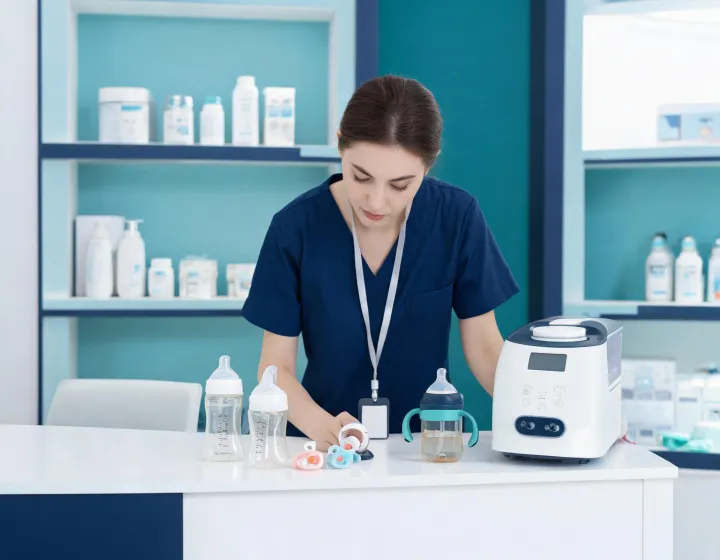
Care specialist reviewing baby feeding products
Guided advisor layout

Practical help before a caregiver changes products

Each service area is written for a real decision point. The goal is not to push a larger basket; it is to reduce avoidable mismatches that can happen when a caregiver changes bottle flow, introduces a pacifier, warms milk, or moves a child toward independent drinking.

01

Bottle and nipple flow review

We help compare Natural Response and anti-colic feeding setups against age, feeding pace, expressed milk routines, and cleaning preference. The review separates bottle size, nipple flow, venting, and glass or lightweight handling so parents can make one change at a time.

02

Pacifier fit and soothing path

Soothie, Ultra Air, and Ultra Soft conversations focus on age grade, shield comfort, hygiene, and daily replacement habits. Caregivers receive plain-language notes that make it easier to choose between newborn comfort, teething support, and sleep-time soothing.

03

Warmer and sterilizer routine setup

For bottle warmers, drying racks, steam sterilizers, and cleaning accessories, we explain realistic kitchen workflows: what sits on the counter, what travels, what needs drying time, and how caregivers can avoid mixing parts from separate feeding systems.

04

Cup transition and toddler independence

Trainer cups and sippy options are organized by grip, spout feel, spill control, and cleaning visibility. The service helps parents move gradually from bottle feeding to cup practice without treating a developmental step as a single product switch.

Decision support

Questions we resolve before product changes

Flow changes are reviewed against feeding duration, infant behavior, caregiver technique, and the exact nipple series being used. We recommend documenting the current setup first, then changing only one variable so the family can read the result clearly.

Yes. The planning conversation covers bottle material, volume, warming schedule, counter space, and how caregivers cool, carry, and clean feeding parts. This prevents the warmer from being treated as a standalone appliance.

Pacifier advice is centered on age grading, shield comfort, ventilation, and replacement hygiene. Bottle advice is centered on feeding pace and cleaning systems. Treating the two separately keeps the care plan clearer.
Before and after

From shelf confusion to a documented care path

Before guidance

A caregiver sees several bottle sizes, nipple labels, pacifier ages, warmer choices, and cup formats at the same time. The family may select based on packaging familiarity, then discover that cleaning, flow, or transition timing does not match the daily routine.

After guidance

The same family receives a staged plan: current age, feeding method, flow need, soothing use, cleaning constraints, and next transition. Product choice becomes a documented sequence, making future replacement and accessory decisions easier for every caregiver involved.

Ask for a care review

Send the child stage and current feeding routine.

We will help narrow the Philips Avent product group, explain what to compare, and flag practical care details such as cleaning, warming, and transition timing.